Residential Wind Turbine Installation Guide
Residential Wind Turbine Wind Power at Home Renewable Energy for Homes
Discover when it's worth installing a residential wind turbine. Learn about costs, benefits, and key considerations.
Understanding Residential Wind Turbines
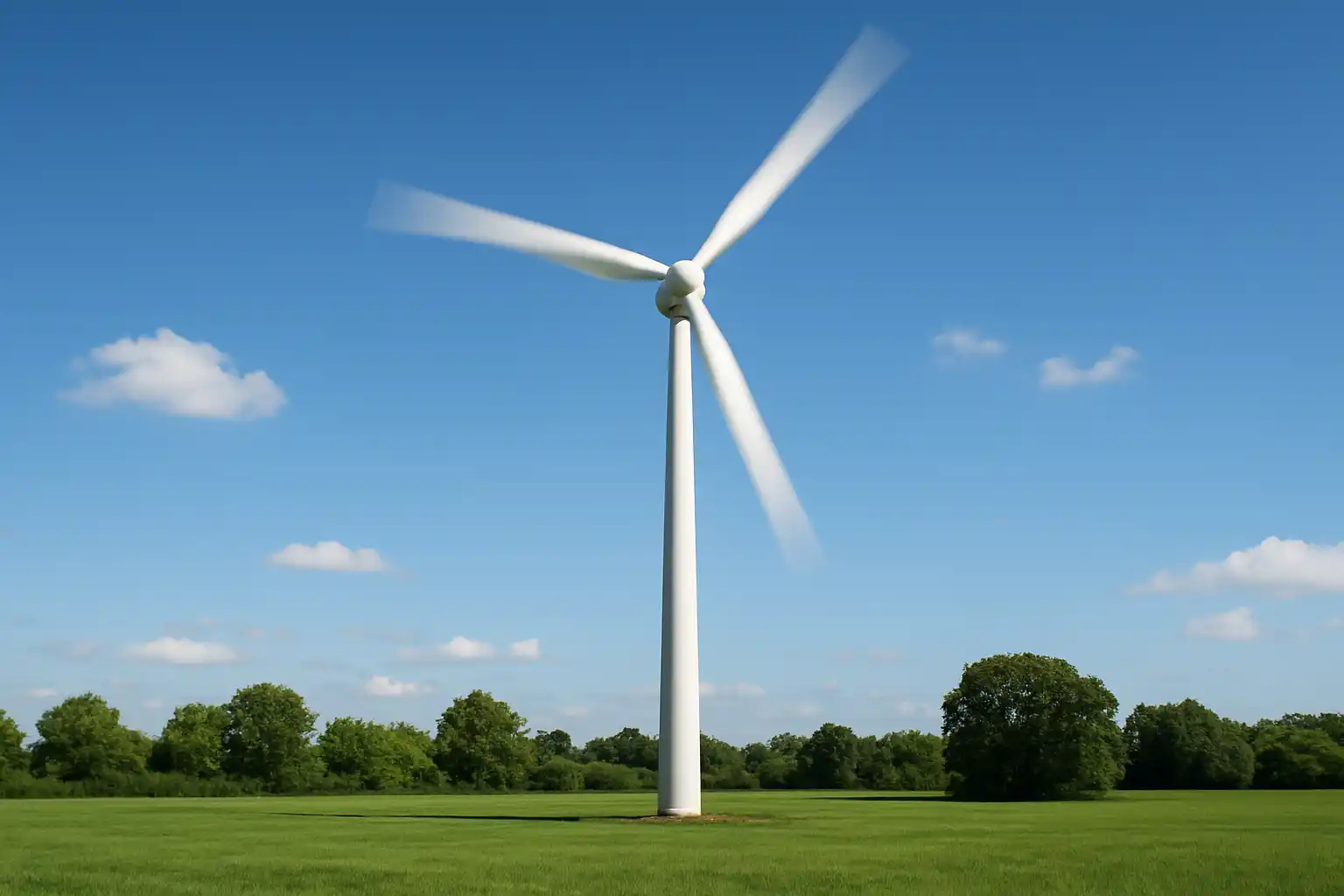
Residential wind turbines offer an efficient way to harness renewable energy for your home. They convert wind energy into electricity, significantly reducing reliance on traditional power sources. However, not every home is suitable for wind turbine installation.
The main consideration is wind speed. A site with average wind speeds of at least 10-12 mph is ideal. Regularly low wind speeds could make the turbine investment less beneficial.
- Assess your local wind conditions using online wind maps or seek professional evaluation.
- Consider the legal regulations and permits required in your area for turbine installation.
- Understand the noise levels and aesthetic impact of a turbine on your property.
Assessing the Benefits and Costs
Investing in a residential wind turbine can lead to substantial energy savings over time. Besides lowering electricity bills, it contributes to reducing carbon footprint and reliance on fossil fuels.
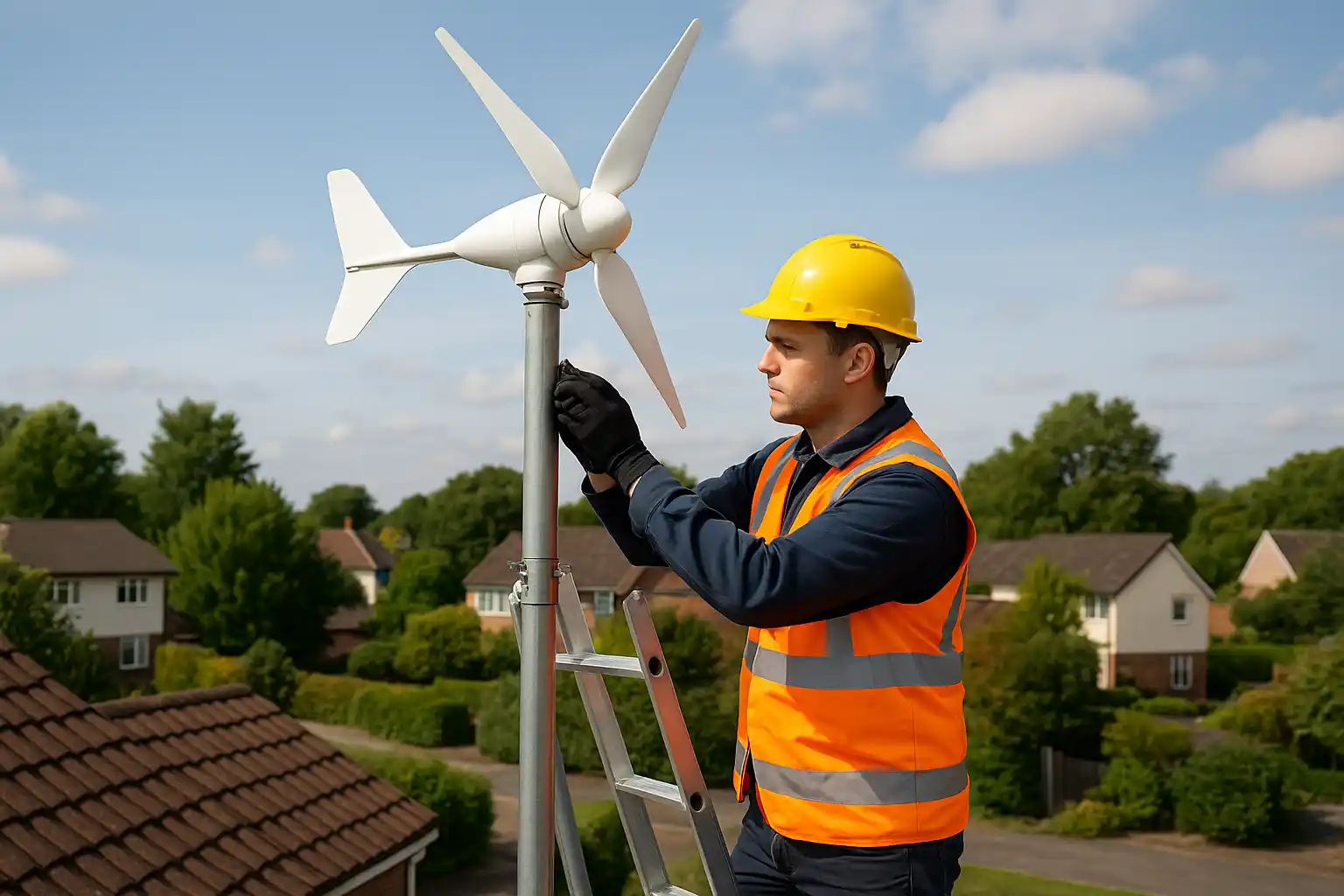
The initial cost of a small wind turbine can range from $3,000 to $8,000 per kilowatt of capacity. Installation costs, maintenance, and other expenses should also be considered.
- Calculate the estimated savings based on your energy consumption and wind conditions.
- Review government incentives or subsidies that might reduce upfront costs.
- Consider long-term savings versus initial investment costs.
Installation Considerations
Choosing the right location and design for your wind turbine is crucial. Ensure there's minimal obstruction from buildings or trees.
Professional installation is recommended to optimize efficiency and ensure safety. This includes proper grid integration and compliance with local codes.
Height and blade length are significant features affecting the performance of a wind turbine. Taller turbines capture more wind energy.
- Choose a turbine height based on local zoning laws and environmental considerations.
- Match blade size to your typical wind conditions for optimal performance.
- Consult with experts to determine the best turbine type for your needs.
Environmental Impact and Community Consideration
Wind turbines are generally considered environmentally friendly, with minimal negative impact compared to other energy sources. However, community acceptance is a key factor in installation.
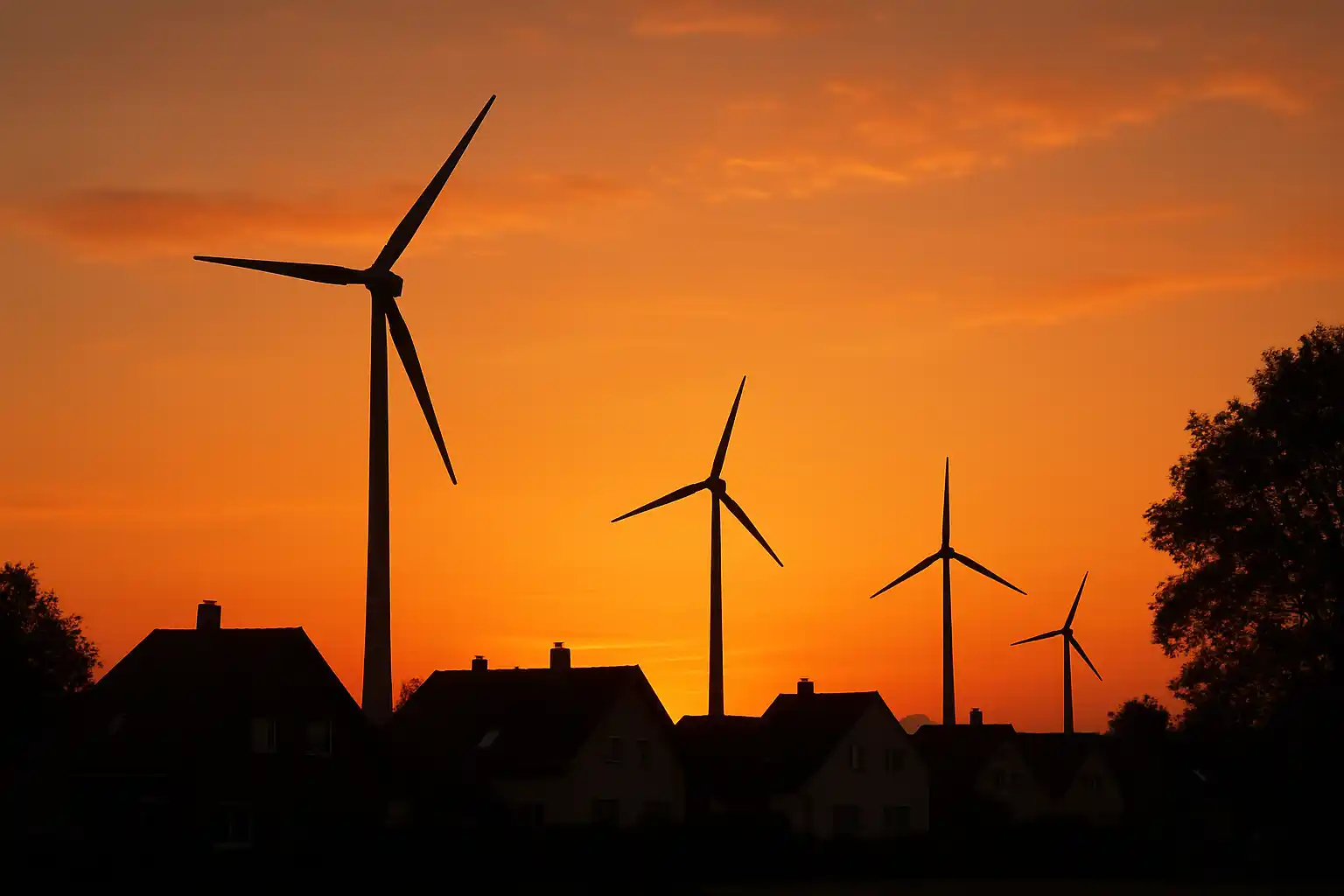
Communicate with neighbors and local authorities to address potential concerns such as noise, shadow flicker, and visual impact.
Consider landscape aesthetics and make adjustments where possible to minimize community disturbance.
- Engage with local community through meetings and discussions.
- Explore options for quieter turbine models if noise is a concern.
- Implement landscaping solutions to integrate the turbine aesthetically.