Exploring Small-Scale Wind Turbines
Wind Turbine small-scale wind turbines renewable energy solutions
Discover the benefits and applications of small-scale wind turbines in renewable energy solutions.
Introduction to Small-Scale Wind Turbines
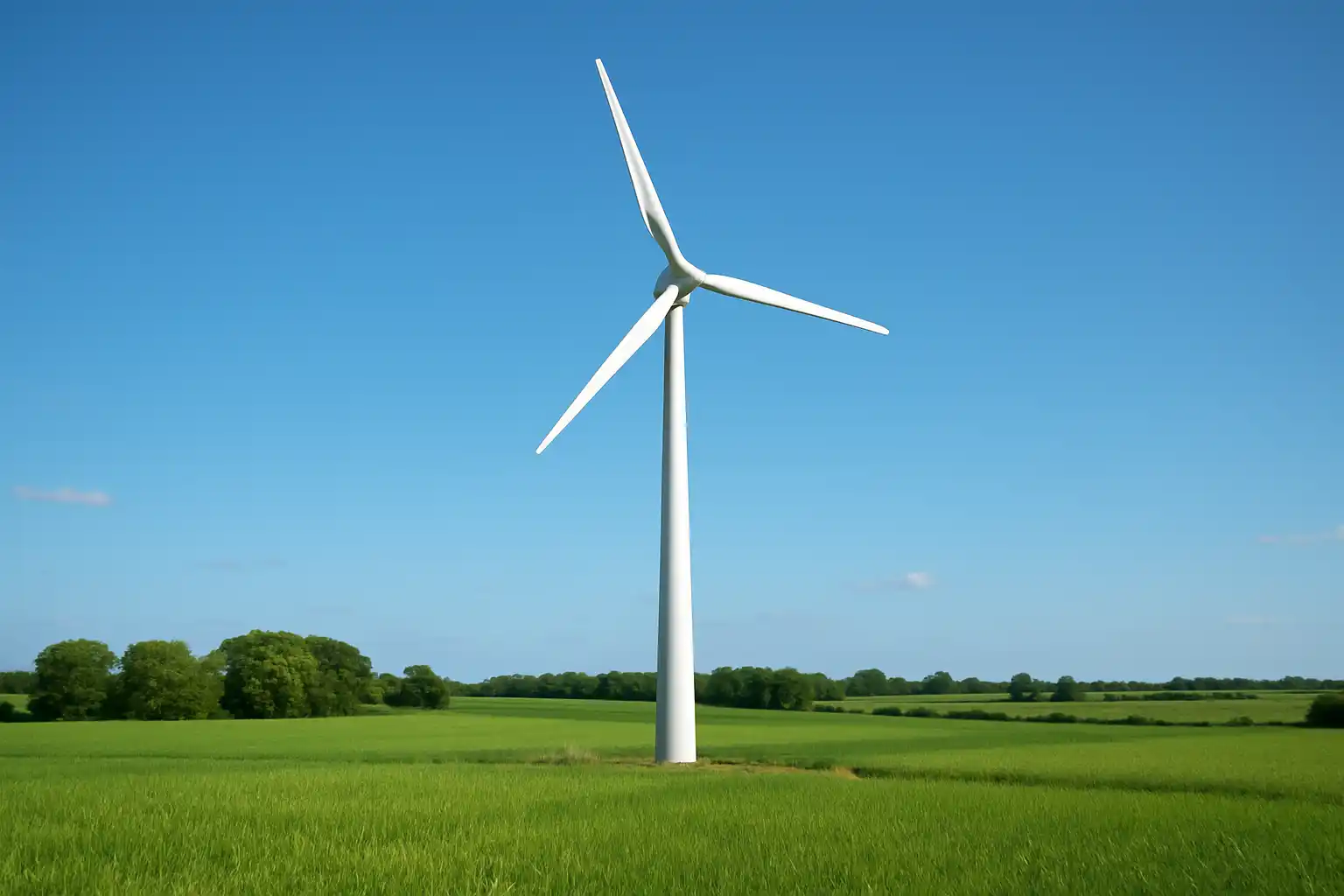
Small-scale wind turbines are becoming increasingly popular as a renewable energy solution. These turbines are designed for individual homes, small businesses, and remote locations, providing an eco-friendly alternative to traditional power sources.
Unlike large industrial turbines, small-scale models are easier to install and maintain. They offer a cost-effective way to harness wind energy, supporting sustainable living.
- Adaptable to various environments
- Reduced carbon footprint
- Cost-efficient
How Small-Scale Wind Turbines Work
These turbines work by converting kinetic energy from the wind into electricity. The blades capture the wind, and a generator transforms this energy into a usable form. This process provides a stable source of power, especially in windy areas.
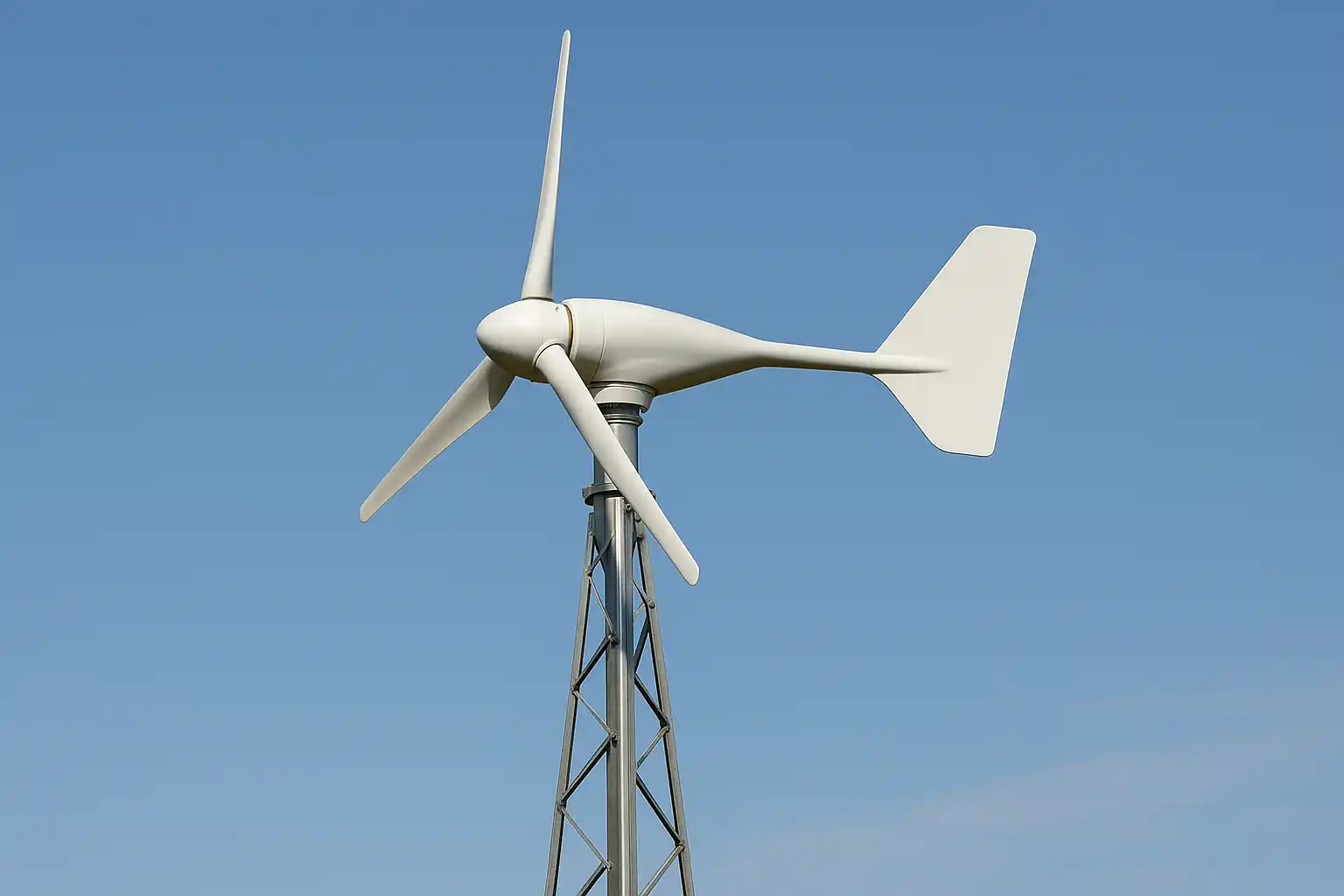
Installation typically involves positioning the turbine on a tower to maximize wind exposure, ensuring optimal performance and efficiency.
- Simple design
- Low maintenance
- Suitable for various weather conditions
Benefits of Small-Scale Wind Turbines
One of the primary advantages of small-scale wind turbines is their environmentally friendly operation. They produce clean energy without harmful emissions, contributing to a healthier planet.
Additionally, these turbines can significantly reduce electricity bills, offering a long-term return on investment.
- Environmentally friendly
- Reduces energy costs
- Increases energy independence
Installation Considerations for Wind Turbines
When installing a small-scale wind turbine, several factors need to be considered, including location, wind speed, and zoning laws. Proper planning ensures maximum efficiency and compliance with local regulations.
It is essential to evaluate the site’s wind patterns to determine the best placement for the turbine.
- Location assessment
- Compliance with regulations
- Maximizing wind exposure
Case Studies and Real-World Examples
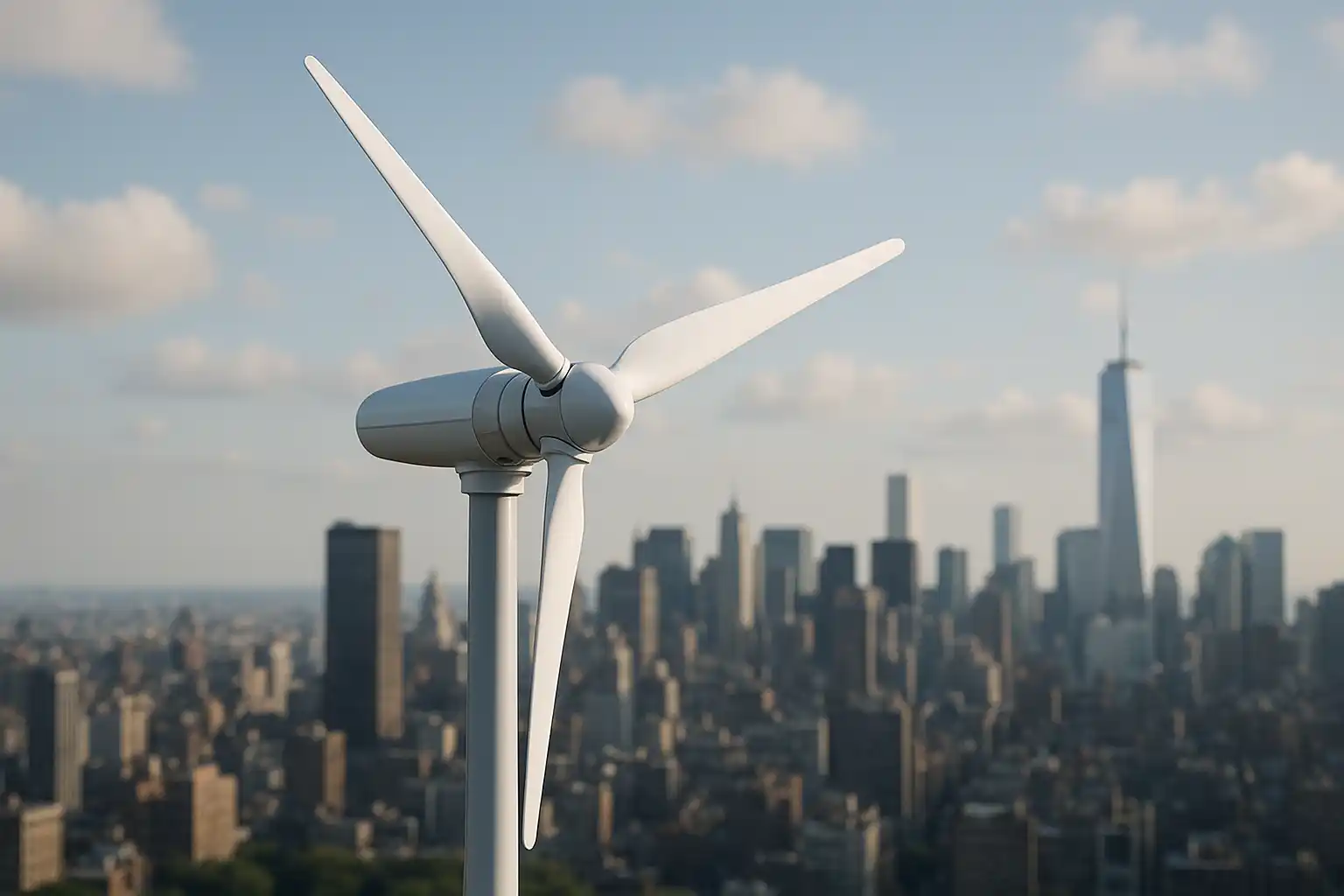
Small-scale wind turbines have been successfully integrated into various settings, showcasing their versatility and effectiveness. In rural areas, they provide continuous power supply, while urban installations contribute to reducing overall grid demand.
These real-world applications demonstrate the potential of small wind turbines to play a crucial role in the future of renewable energy.
- Rural and urban installations
- Reliable power source
- Contributing to energy solutions